- What dropshipping actually looks like in 2026
- The real costs beginners underestimate
- Domestic vs. international suppliers for US sellers
- Step-by-step to test a product safely
- When dropshipping is NOT the right model
Dropshipping is often marketed as a hands-off way to run an online store without holding inventory, but the model has gotten harder in the US as ad costs rise and consumers grow warier of long delivery times from overseas suppliers. This guide gives a realistic picture before you invest time or money.
What Dropshipping Actually Looks Like in 2026
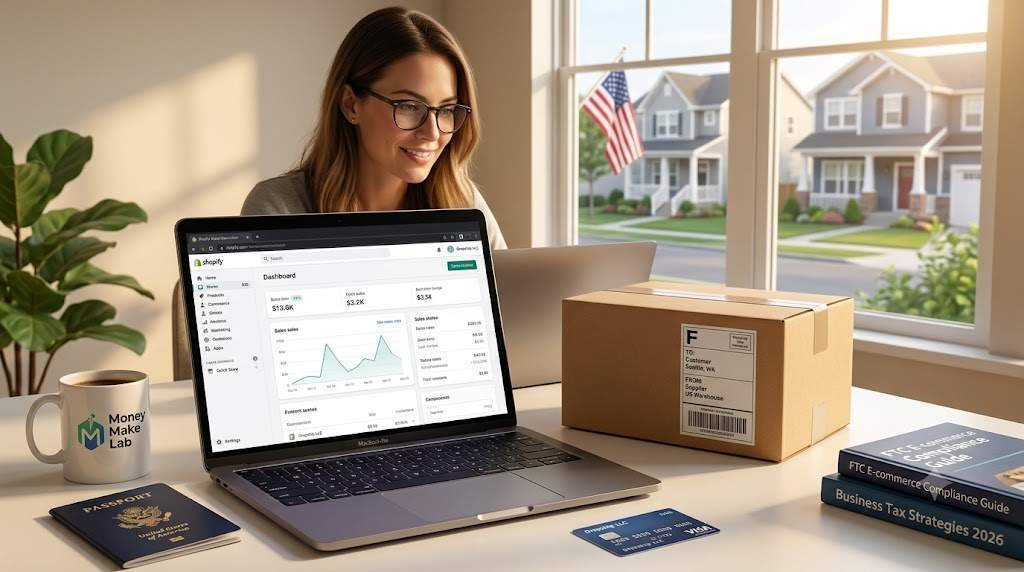
You list a product on your own store (typically Shopify) without holding stock. When a customer orders, you purchase it from a supplier who ships directly to the customer. Your margin is the difference between what you charge and what you pay the supplier — after ad spend, this margin is often thinner than beginners expect.
The Real Costs Beginners Underestimate
- Ad spend — Meta and Google ad costs have risen significantly; testing a single product can cost several hundred dollars before you know if it converts.
- Return and refund handling — US consumers expect easy returns; long international shipping times make this operationally painful.
- Platform and app fees — Shopify subscription plus apps for reviews, upsells, and fulfillment add up monthly regardless of sales.
- Payment processor holds — new stores sometimes face longer settlement periods or reserve holds, affecting cash flow.
Domestic vs. International Suppliers for US Sellers
Sourcing from US-based suppliers (via platforms like Spocket or CJdropshipping’s US warehouses) generally means faster delivery and fewer customs issues than dropshipping directly from overseas suppliers, though margins per unit may be lower. For most beginners targeting US customers, domestic or US-warehouse sourcing is now the more sustainable starting point, especially given growing customer expectations around 2–5 day shipping.
Step-by-Step to Test a Product Safely
- Validate demand cheaply first — a small, low-budget ad test ($50–150) before committing to a full store build around one product.
- Order the product yourself to check real quality and shipping time before selling it to customers.
- Set a clear return policy upfront, since FTC rules and most payment processors require clear, accessible terms for e-commerce sellers.
- Track true margin after ad spend, platform fees, and payment processing charges — not just product cost vs. sale price.
When Dropshipping Is NOT the Right Model
If you don’t have a marketing budget to test products, dropshipping is a poor starting point — unlike content-driven models (blogging, affiliate marketing), it typically requires paid traffic to get initial sales volume. Creators without ad budget are usually better served starting with content-based income streams first.
Frequently Asked Questions
Is dropshipping legal in the US?
Yes, but sellers must comply with FTC consumer protection rules, including clear return policies, accurate product descriptions and shipping timelines, and proper sales tax collection in states where you have nexus.
How much money do I need to start dropshipping in the US?
Realistically, budget at least $500–1,000 for initial ad testing, store setup, and a small buffer for returns before expecting consistent profit.
Do I need to charge sales tax on dropshipped products?
Generally yes, once you establish nexus in a state (through sales volume, physical presence, or other triggers). Shopify and similar platforms can automate this, but you’re responsible for registering and remitting correctly — consult a CPA.
Not ready for ad spend yet?
Our Content Creation and Affiliate Marketing guides cover lower-cost ways to start earning before you invest in a dropshipping store.